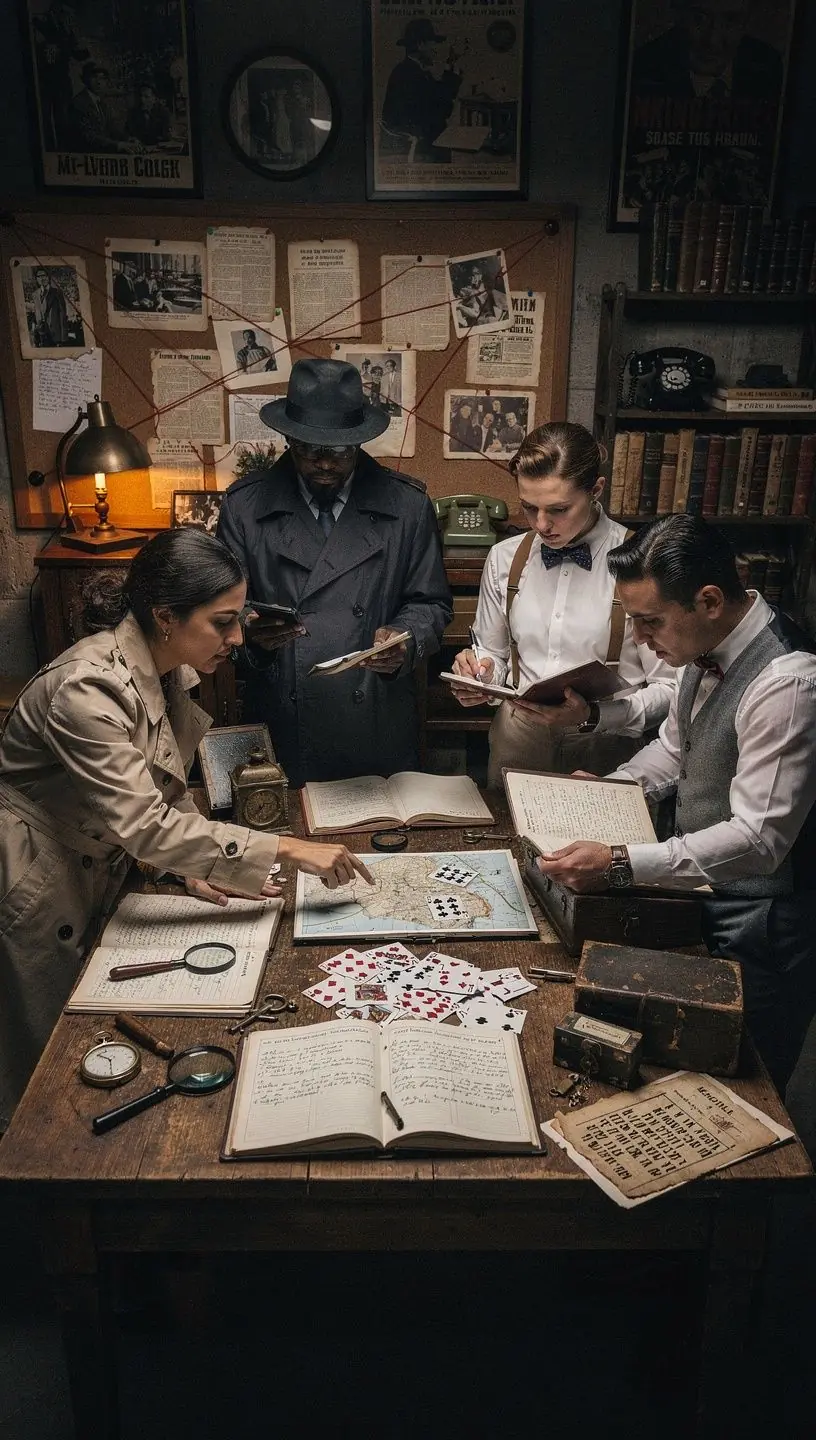
The Psychology Behind Escape Room Design
Escape rooms have become a popular form of entertainment, but their success is rooted in complex psychological principles. Understanding these can enhance your experience and appreciation of the immersive quest scenarios they offer.
Understanding the Basics
Escape room design often incorporates psychological elements that cater to human behavior and motivation. According to experts, the principle of flow is crucial in creating engaging experiences. This state of mind, described by psychologist Mihaly Csikszentmihalyi, occurs when individuals are fully immersed in an activity that balances challenge and skill. Many users report feeling more satisfied when tasks are appropriately challenging yet achievable.

"The key to a successful escape room is to create an environment where participants can experience flow, allowing them to solve puzzles without overwhelming frustration."
Key Design Principles
- Theming: Thematic elements enhance emotional engagement. According to research, environments with strong narratives can significantly boost participants' immersion levels, making them feel like part of the story.
- Puzzle Variety: Providing a range of puzzle types caters to different strengths. Studies show that incorporating visual, auditory, and tactile challenges can appeal to a broader audience, allowing everyone to contribute.
- Social Interaction: Many escape rooms emphasize teamwork and communication, fostering a sense of community. Research indicates that cooperative tasks can enhance social bonds and improve problem-solving capabilities among participants.
Balancing Challenge and Accessibility
To effectively engage participants, escape room designers must strike a balance between challenge and accessibility. This often involves employing a tiered difficulty level for puzzles. According to industry standards, offering hints can help reduce frustration, allowing players to remain engaged without losing interest. This methodology not only keeps participants motivated but also enhances the overall experience.
Conclusion
Understanding the psychological principles behind escape room design can significantly enhance your experience. By appreciating how elements such as theming, puzzle variety, and social interaction contribute to immersion, participants can better engage with the scenarios presented. While results may vary, those who actively participate in the process often find greater satisfaction and enjoyment. As you delve into your next escape room adventure, keep these principles in mind to maximize your experience.