Exploring the History of Escape Room Experiences
Escape rooms have captured the imagination of many, offering participants an immersive experience that combines problem-solving, teamwork, and adventure. But how did this phenomenon begin? In this article, we explore the history of escape rooms, their evolution, and what they represent in today's entertainment landscape.
Understanding the Origins
The concept of escape rooms can be traced back to video games, particularly puzzle-based games. One of the earliest examples is the 1988 game "Murder in a Minute," which involved solving a series of clues to escape. According to experts in the gaming industry, this format laid the groundwork for physical escape rooms that emerged in the 2000s.
"The transition from digital to physical escape rooms reflects a growing desire for interactive and social experiences," says Dr. Jane Taylor, a researcher in entertainment psychology.
The Rise of Physical Escape Rooms
In 2007, the first physical escape room opened in Japan, known as "Real Escape Game." This innovative idea quickly spread to other countries, with the first European escape room launching in Budapest in 2011. Since then, escape rooms have become a staple of social entertainment, with thousands of centers opening worldwide.
This trend can be attributed to several factors:
- Social Interaction: Many participants seek experiences that allow them to connect with friends and family, making escape rooms a popular choice for group outings.
- Immersive Storytelling: Escape rooms typically feature intricate narratives that engage players in a way traditional games do not. This immersive aspect has been shown to enhance emotional investment, according to studies in the field of psychology.
- Challenge and Engagement: Participants often report feelings of satisfaction from solving challenging puzzles, which can lead to a sense of accomplishment and team cohesion.
Thematic Evolution
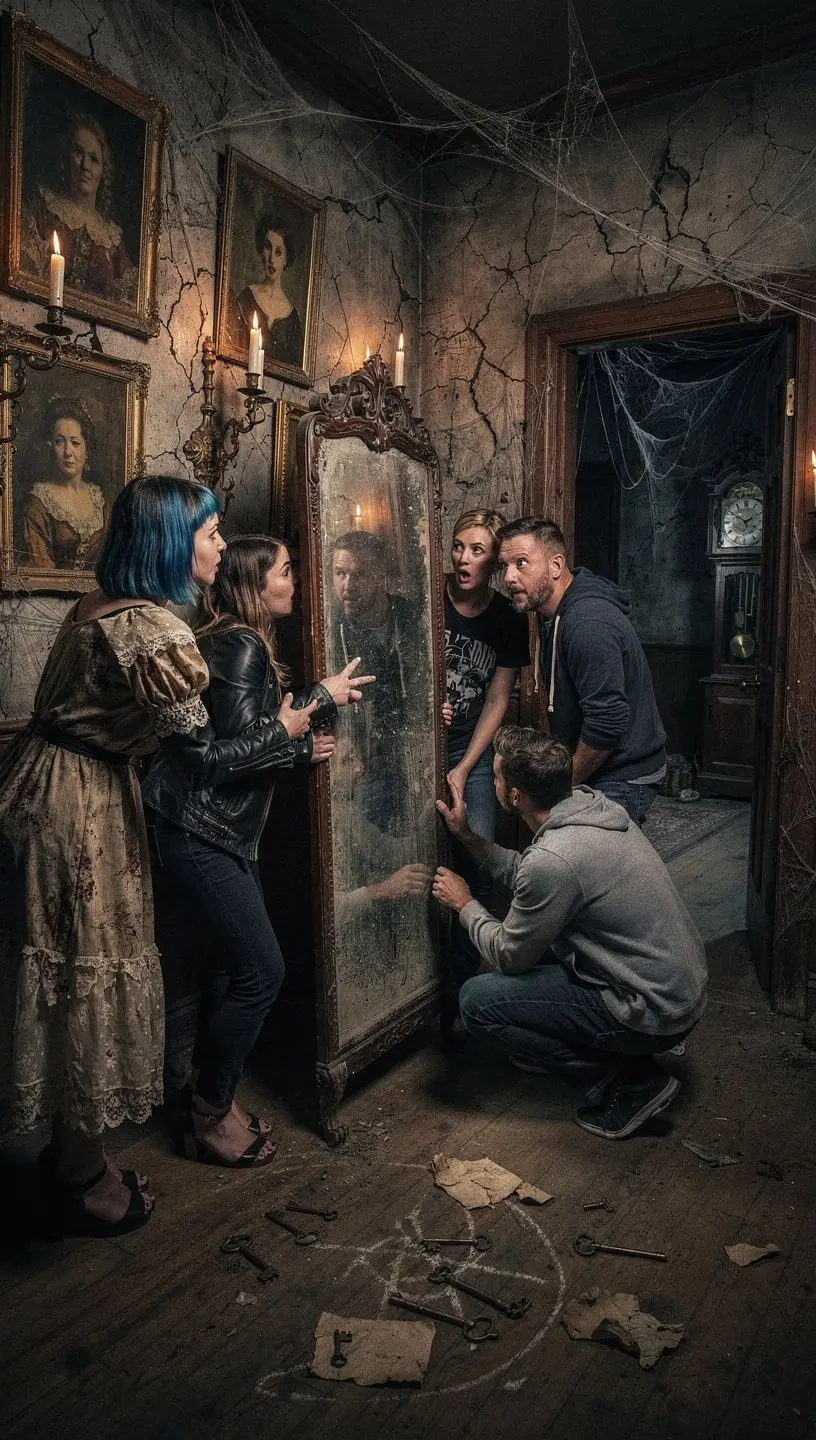
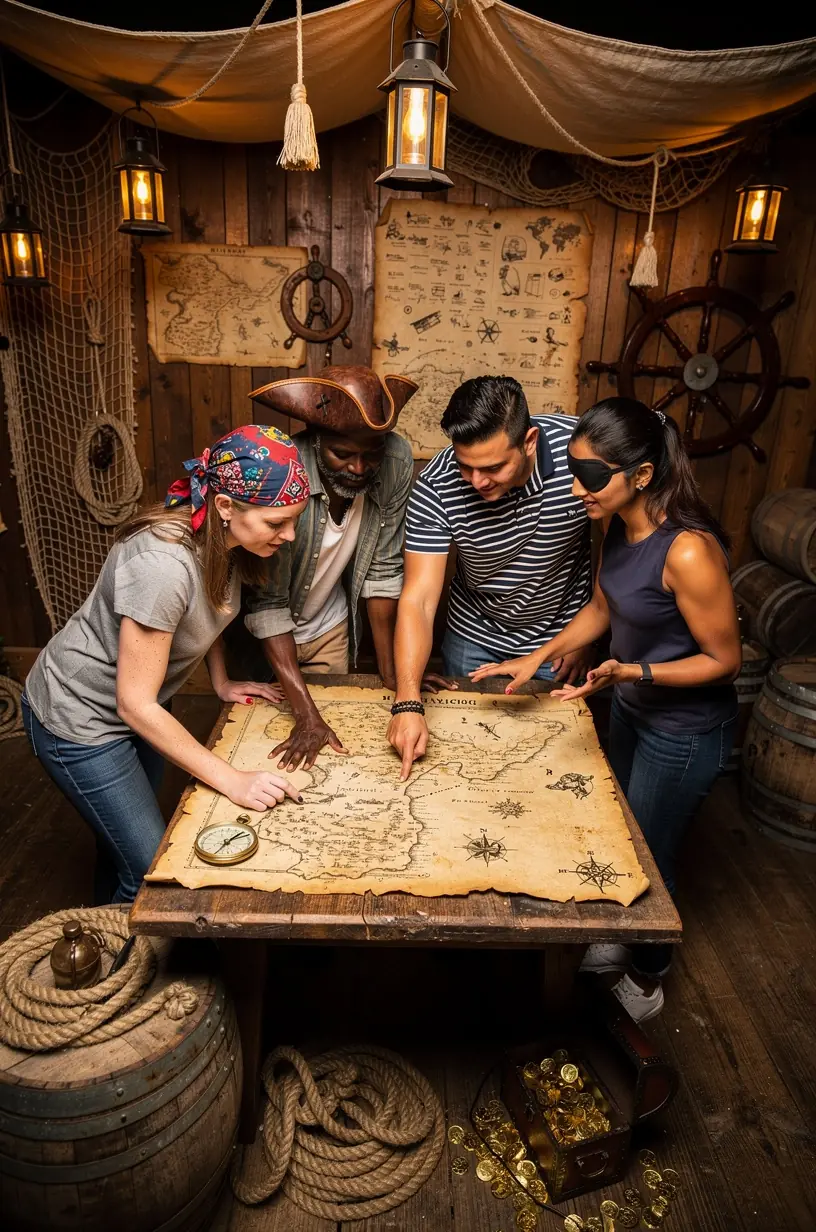
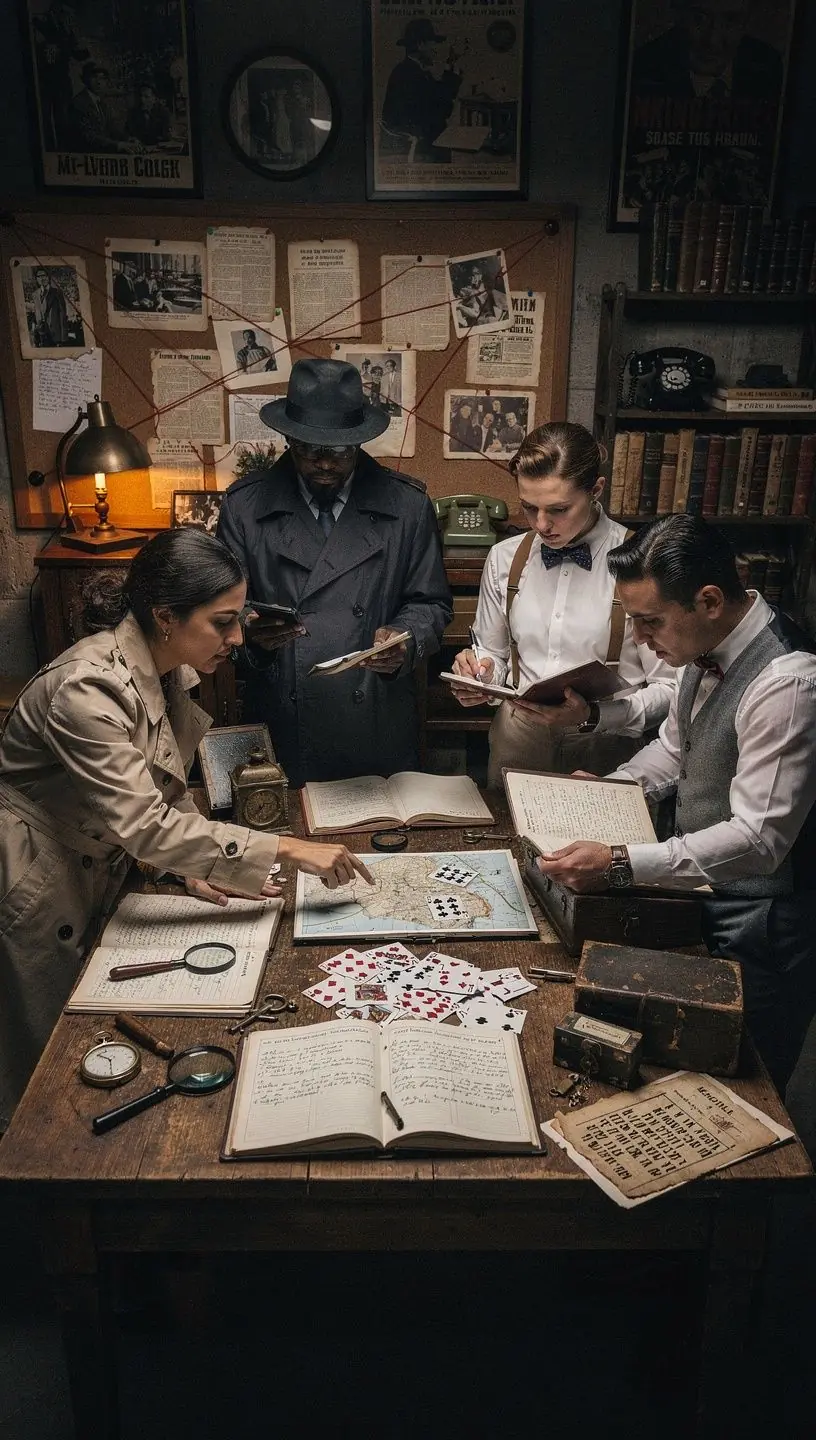
As escape rooms gained popularity, themes became increasingly diverse. Early rooms often featured generic settings such as "murder mystery" or "secret agent" scenarios. However, many centers now offer more elaborate themes, ranging from horror to fantasy and even historical events.
This thematic evolution is important because it reflects a deeper understanding of audience preferences. According to industry experts, themed environments can significantly enhance the overall experience, leading to greater customer satisfaction and repeat visits. One study indicated that themed escape rooms could improve player engagement by up to 40% compared to more traditional formats.
Current Trends and Future Directions
Today, escape rooms continue to evolve, often incorporating technology such as augmented reality and interactive props. This integration of technology aims to create even more immersive experiences, although it does come with its own set of challenges, such as the need for technical maintenance and user familiarity.
Moreover, escape room centers are also exploring ways to provide more accessible options for individuals with disabilities. Some experts recommend that centers consider inclusive design principles to make these experiences enjoyable for a broader audience.
Conclusion
The history of escape rooms is a fascinating journey that highlights the changing landscape of entertainment. From their origins in video games to their current status as immersive, thematic experiences, escape rooms represent both a challenge and an opportunity for social interaction and problem-solving. As the industry continues to grow, it's crucial for escape room centers to adapt to new trends and incorporate feedback from participants to enhance future offerings.
In conclusion, while the core concept of escape rooms remains consistent—solving puzzles to "escape"—the ways in which these experiences are delivered are constantly evolving, reflecting the desires and preferences of those who seek adventure and entertainment.
Learn More