Understanding Puzzle Mechanics in Escape Room Design
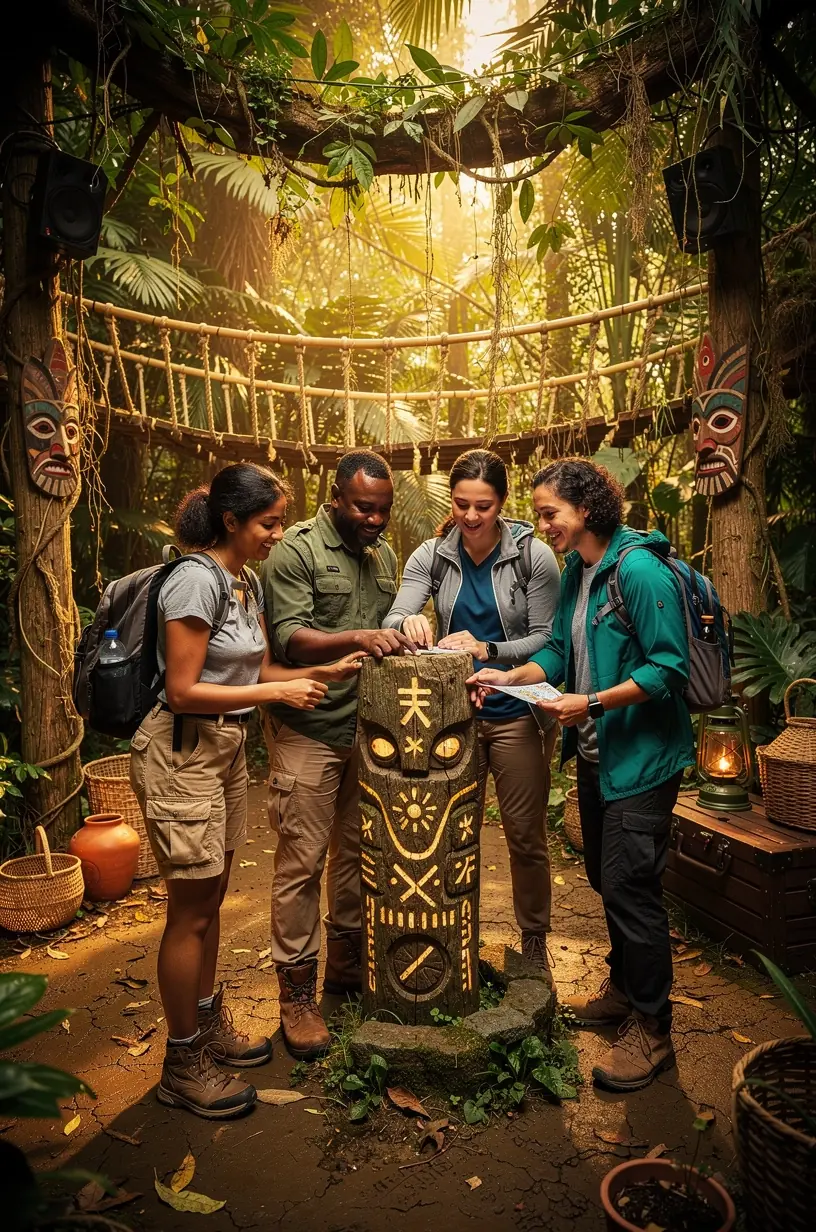
Escape rooms have surged in popularity, providing immersive experiences that challenge participants to solve puzzles within themed scenarios. Understanding the mechanics behind these puzzles can enhance the overall experience, making it engaging and intellectually stimulating.
Understanding the Basics
Puzzle mechanics in escape rooms are designed to encourage teamwork and problem-solving. According to experts in the field, effective puzzles can lead to increased collaboration among participants, as they often require diverse skills and perspectives. Typically, escape rooms incorporate various types of puzzles, including:

- Logic puzzles: These require deductive reasoning, often involving riddles or sequences.
- Physical puzzles: These involve manipulation of objects or spaces, such as moving pieces to unlock a mechanism.
- Word puzzles: These necessitate verbal communication and often include ciphers or word games.
"The right balance of puzzle types can significantly enhance the immersive experience of an escape room." - Industry Expert
The Importance of Thematic Integration
One of the key factors in effective escape room design is thematic integration. Research indicates that participants are more engaged when puzzles align with the overarching theme of the room. For example, a room themed around a detective mystery may incorporate puzzles that involve clues and evidence gathering, enhancing the narrative and helping players feel part of the story.
How Puzzles Enhance Engagement
Puzzles serve multiple purposes in escape room experiences:
- Promote critical thinking: Many users report that solving puzzles encourages deeper thinking and strategy formulation.
- Foster teamwork: Collaborative puzzles can build camaraderie among players, as they must communicate effectively to succeed.
- Create memorable experiences: Unique and challenging puzzles can lead to lasting memories and stories to share, often becoming highlights of the event.
Acknowledging Limitations in Puzzle Design
While engaging puzzles are crucial, it’s important to acknowledge potential limitations. Designing effective puzzles typically requires a significant investment of time and resources. Furthermore, puzzles may not be suitable for all groups; for example, those with varying levels of experience may find certain challenges frustrating rather than enjoyable. In most cases, it is recommended that escape room designers:
- Test puzzles with diverse groups to gauge difficulty levels.
- Provide hints or clues to assist teams who may struggle.
- Ensure that the puzzles contribute to the narrative without overwhelming participants.
Conclusion
Understanding the mechanics behind puzzle design in escape rooms is essential for both designers and participants. By integrating varied puzzle types with strong thematic elements, escape rooms can create immersive and engaging experiences. While challenges in design exist, acknowledging these factors can lead to better outcomes for all participants, enhancing their enjoyment and satisfaction. Ultimately, the objective is to create a memorable adventure that balances challenge with fun.