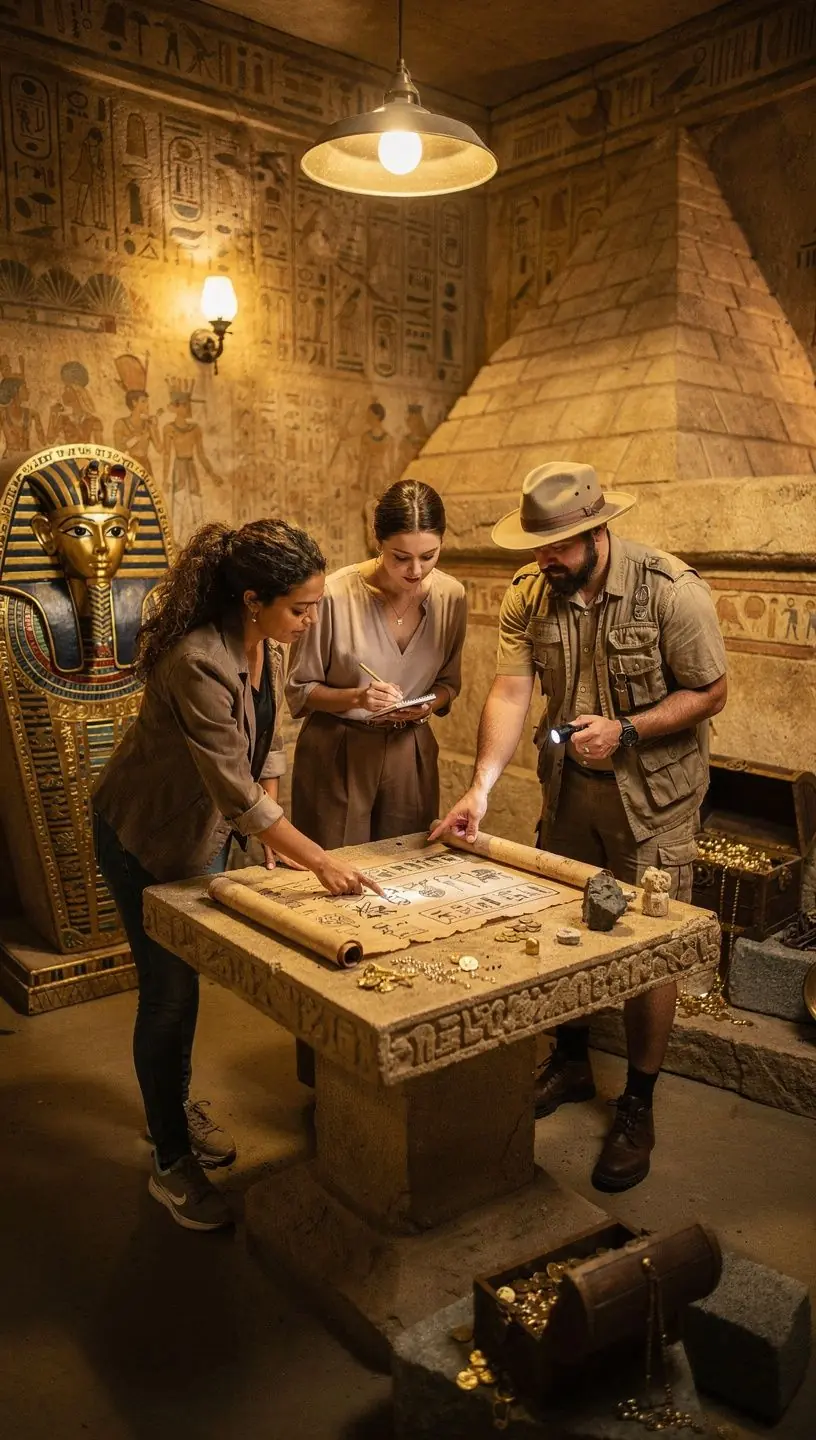
Evaluating the Educational Benefits of Escape Rooms
Escape rooms are rapidly gaining popularity, not just as entertainment venues, but also as effective educational tools. These immersive experiences can promote teamwork, critical thinking, and problem-solving skills among participants. In this article, we will explore the educational benefits of escape rooms and how they can enhance learning experiences.
Understanding the Escape Room Experience
Escape rooms typically involve teams working together to solve puzzles and complete challenges within a themed scenario. Participants must use their creativity, analytical skills, and collaboration to succeed. According to a study by the American Psychological Association, team-based problem-solving activities can significantly enhance cognitive skills and boost interpersonal relationships.

"Collaborative problem-solving can improve communication skills and foster a sense of community among participants."
Educational Benefits
Escape rooms offer multiple educational benefits that extend beyond mere entertainment. Here are some key advantages:
- Critical Thinking: Participants often face complex problems that require analytical thinking. Studies show that engaging in such activities can improve critical thinking skills by up to 30%.
- Teamwork: In most cases, escape rooms require effective communication and collaboration. This can help participants develop teamwork skills, which are essential in both academic and professional settings.
- Real-World Application: The scenarios in escape rooms often reflect real-world challenges, allowing participants to practice problem-solving in a simulated environment. This experiential learning can be more impactful than traditional classroom instruction.
How Escape Rooms Facilitate Learning
The learning process in escape rooms is driven by several key principles:
- Engagement: The immersive nature of escape rooms captures participants' attention, making learning enjoyable and interactive.
- Collaboration: Working in teams encourages participants to share ideas and strategies, promoting a deeper understanding of the material.
- Feedback: Instant feedback is provided as teams progress or face challenges, allowing participants to adjust their strategies in real-time.
Experts recommend that educational institutions consider incorporating escape room experiences into their curricula to enhance student engagement and learning outcomes. According to research conducted by the Educational Research Review, hands-on learning methods, like those used in escape rooms, can increase knowledge retention by up to 50%.
Limitations and Considerations
While escape rooms offer valuable learning experiences, it's essential to acknowledge some limitations. Typically, these activities require a time commitment of 60-90 minutes per session, which may not fit into every educational schedule. Additionally, the design of the escape room should align with learning objectives and may require prior knowledge of the subject matter for optimal benefit.
Conclusion
Overall, escape rooms can serve as effective educational tools that foster critical thinking, teamwork, and real-world problem-solving skills. By creating engaging and immersive experiences, educators can harness the power of escape rooms to enhance learning outcomes. As interest in these innovative learning environments continues to grow, it's important for educational institutions to explore their potential benefits responsibly and thoughtfully.
Learn More