A Guide to Creating Your Own Escape Room
Crafting an escape room can be an exciting venture, whether for personal enjoyment or as a business opportunity. This guide aims to walk you through the essential steps involved in creating an immersive quest experience that captures the essence of popular escape room centers.
Understanding the Basics
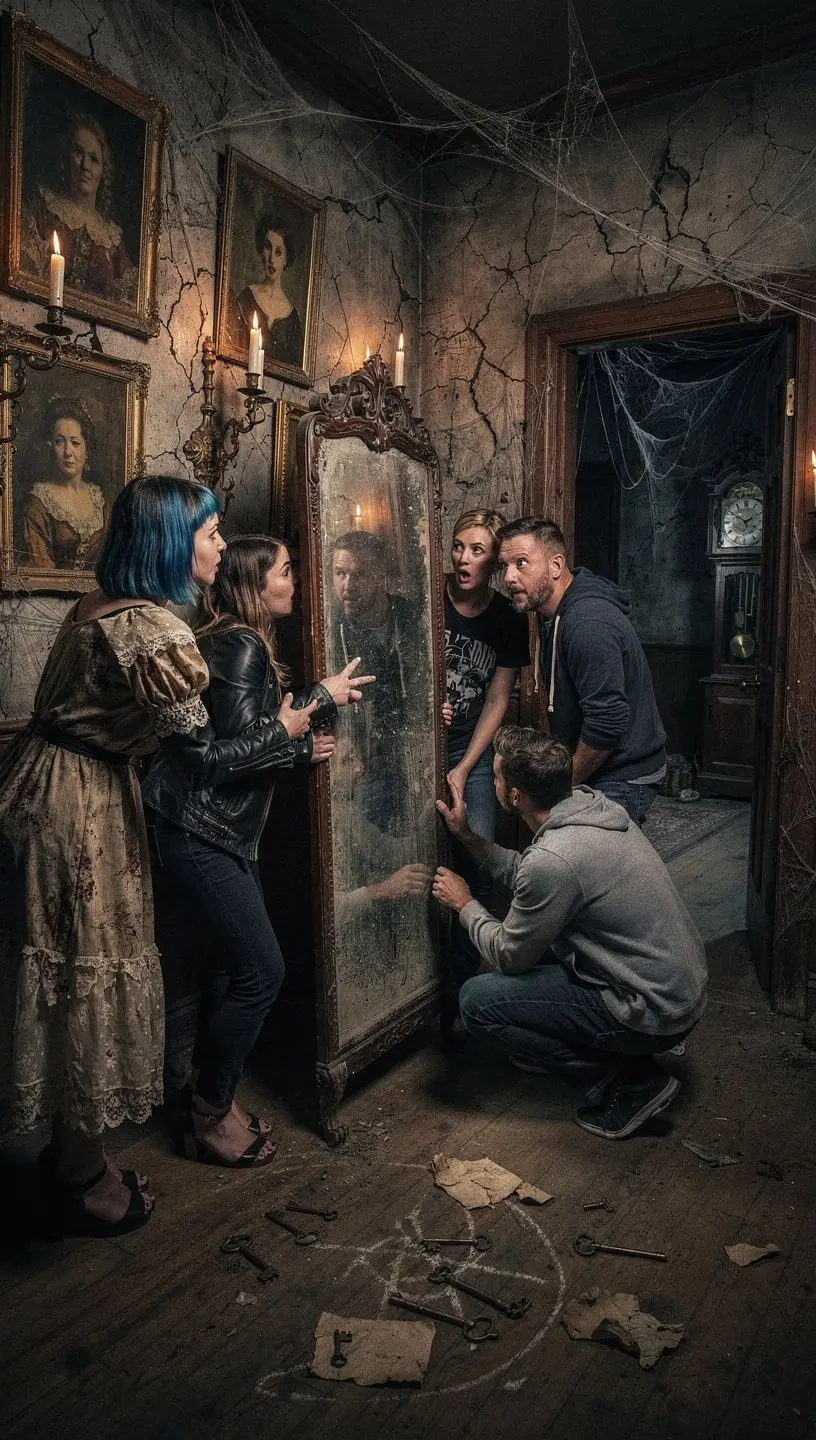
Creating your own escape room typically involves several key components, including theme selection, puzzle design, and room layout. According to industry experts, the first step is deciding on a theme that resonates with your target audience. Popular themes often include detective mysteries, horror scenarios, or historical adventures. This works because themes help set the tone and guide puzzle creation, making the experience more immersive.
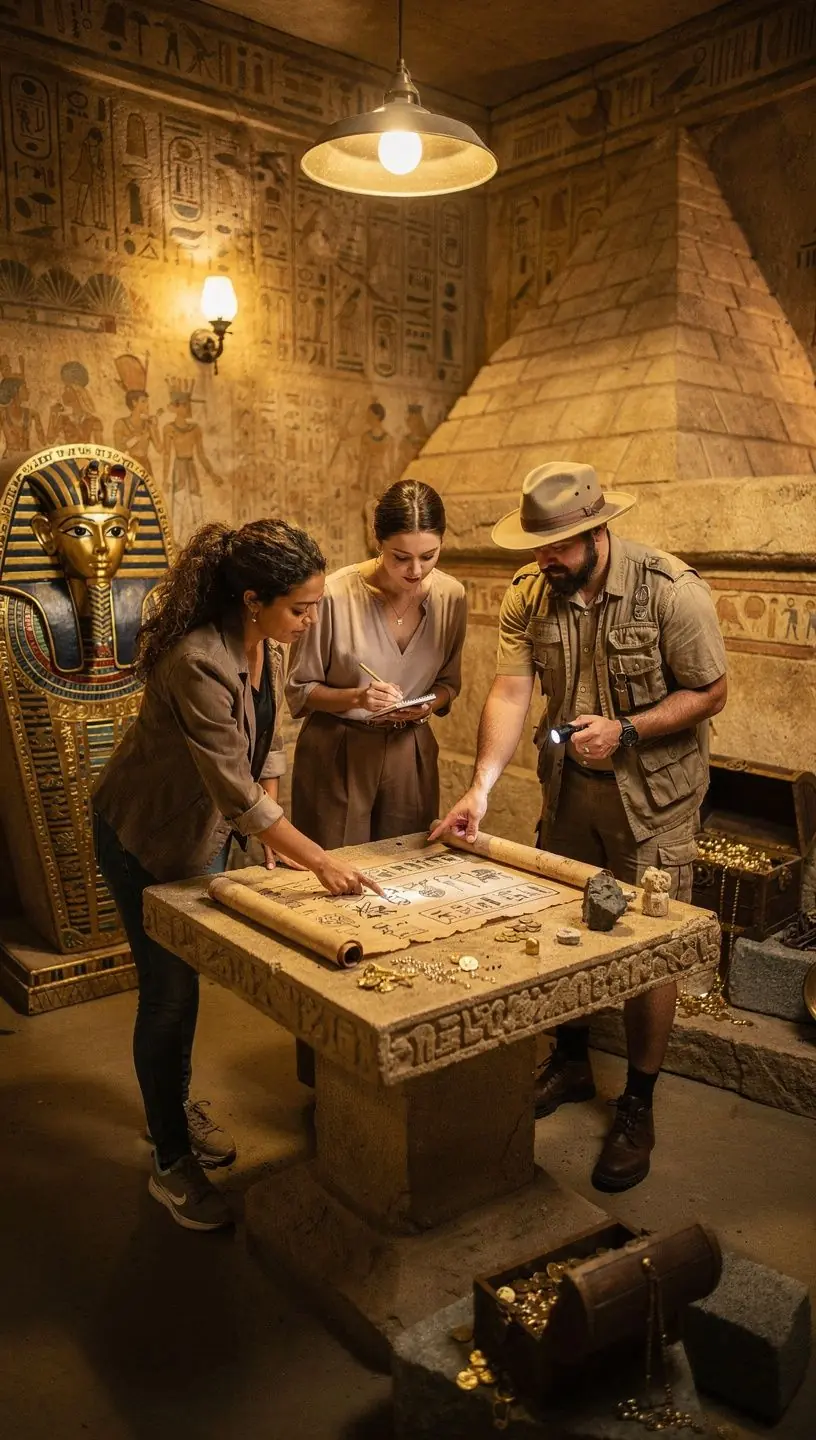
"A well-thought-out theme can enhance player engagement and satisfaction." - Escape Room Industry Expert
Choosing Your Theme
When selecting a theme, consider your audience's preferences and interests. Research shows that diverse settings often attract a wider range of participants. For example, a detective theme might draw in puzzle enthusiasts, while a horror scenario could appeal to thrill-seekers. Make sure your theme includes:
- A compelling story: A narrative that captivates players and motivates them to solve puzzles.
- Visual elements: Decorations and props that reinforce the theme and create an immersive environment.
- Sound effects: Background audio that complements the theme can enhance the overall experience.
Designing Puzzles
Puzzle design is a crucial element of escape rooms. According to studies in game design, puzzles should provide a balance of challenge and fun without overwhelming players. It's typically recommended to include a variety of puzzle types, such as:
- Logic puzzles: Require critical thinking and reasoning.
- Physical challenges: Involve manipulation of objects or movement.
- Word or number games: Encourage players to solve riddles or codes.
Remember, the goal is to create an engaging experience without excessive frustration. This can help maintain player interest and satisfaction throughout the game.
Room Layout and Setup
The physical layout of your escape room can significantly impact the experience. Experts recommend considering the following when planning your space:
- Flow of movement: Ensure players can navigate from one clue to another logically and intuitively.
- Safety measures: Include clear exit routes and ensure all props are secure to prevent accidents.
- Time constraints: Set a realistic time limit (typically 60 minutes) that encourages urgency without overwhelming players.
Testing and Feedback
Before launching your escape room, it's essential to conduct trial runs with friends or family. This testing phase allows you to gather feedback on puzzle difficulty, room layout, and overall experience. Many creators report that this process helps identify unforeseen issues and enhances the final product. Be prepared for revisions, as most escape rooms require adjustments based on participant feedback.
Conclusion
Creating your own escape room can be a rewarding endeavor that requires thoughtful planning and execution. By understanding the basics of theme selection, puzzle design, and room layout, you can build an engaging and memorable experience. Remember to prioritize participant feedback and be open to making adjustments. With dedication and creativity, your escape room can offer an immersive adventure that will delight players.
Learn More