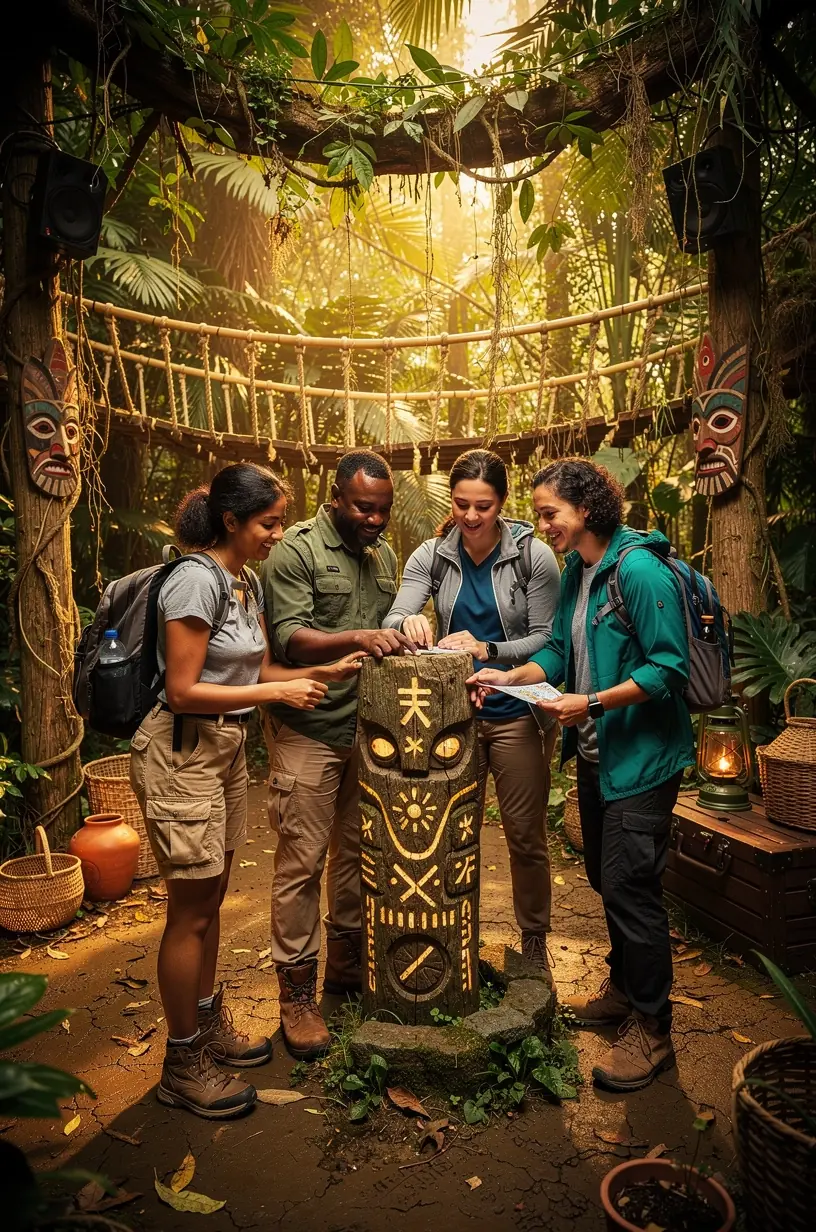
The Role of Team Dynamics in Escape Rooms
Escape rooms are not just about solving puzzles; they are also about how teams interact and collaborate. Understanding team dynamics can significantly enhance the immersive experience in these settings.
Understanding Team Dynamics
Team dynamics refer to the psychological and social interactions that occur within a group. According to industry research, effective communication and cooperation among team members can improve problem-solving capabilities. In escape rooms, where time is limited, these dynamics often play a critical role in achieving success.

"In most cases, effective teamwork can lead to a more enjoyable and successful escape room experience." - Team Building Expert
Key Factors Affecting Team Dynamics
Several factors influence how teams operate in escape rooms:
- Communication: Open and clear communication helps team members share ideas and strategies, which is essential in high-pressure situations.
- Role Assignment: Assigning roles based on individual strengths can enhance efficiency. For instance, some may excel at observation while others are better at analytical tasks.
- Conflict Resolution: The ability to resolve conflicts amicably can prevent breakdowns in collaboration, ensuring the team remains focused on objectives.
The Impact of Team Dynamics on Performance
Studies show that teams who understand and consciously manage their dynamics may complete escape room challenges more effectively. This works because:
- Teams that communicate well can quickly identify clues and develop strategies.
- Members who feel valued and understood are often more engaged and motivated.
- Effective conflict resolution fosters a positive environment, reducing stress and enhancing focus.
Tips for Enhancing Team Dynamics in Escape Rooms
To maximize your escape room experience, consider the following practical tips:
- Pre-Game Briefing: Discuss team strategies and individual strengths before starting, which can save valuable time.
- Stay Calm: Encourage a calm approach, as remaining composed under pressure can improve decision-making.
- Debrief Post-Game: Reflecting on what worked well and what didn’t can help teams learn from each experience, enhancing future performances.
Conclusion
Understanding and enhancing team dynamics is crucial in escape rooms. Research indicates that effective teamwork can lead to improved performance, making the experience not only more enjoyable but also more rewarding. By prioritizing communication, role assignment, and conflict resolution, teams can significantly increase their chances of success in these immersive quest experiences.