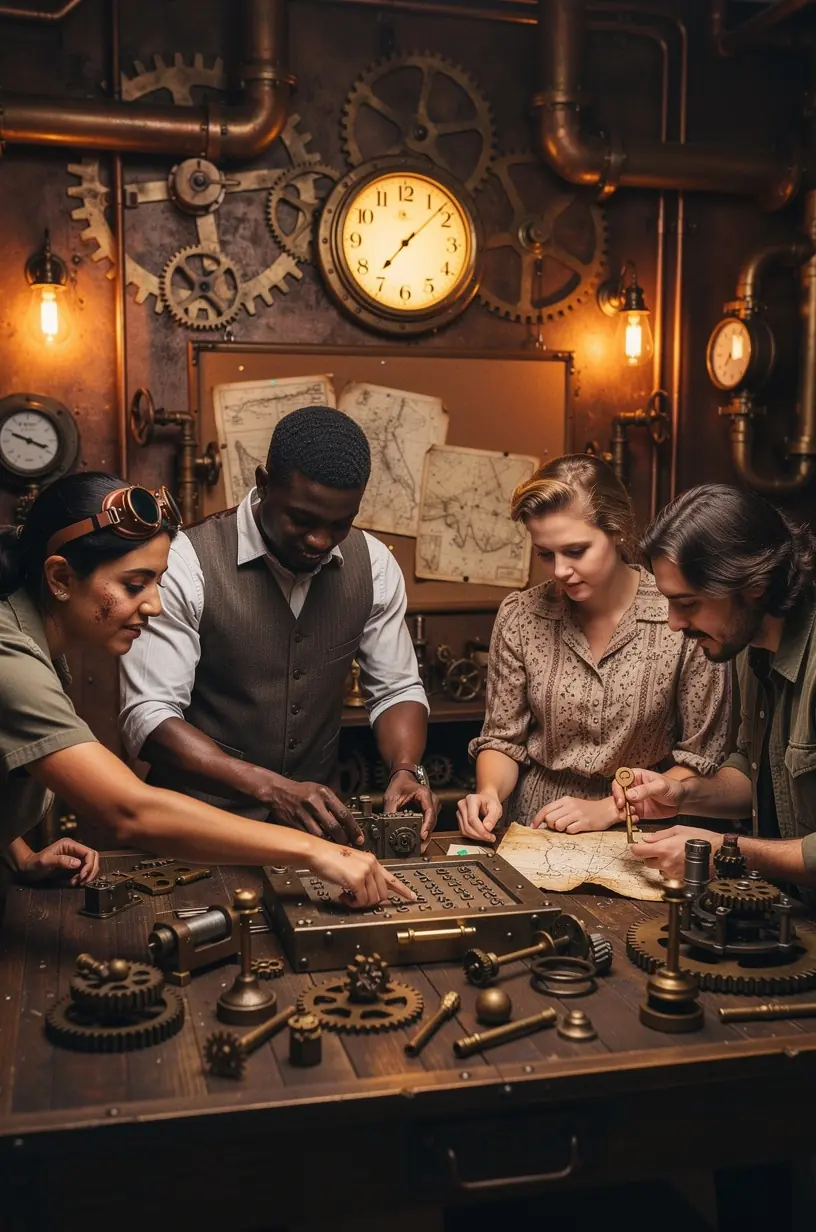
How to Improve Communication Through Escape Rooms
Escape rooms are not just thrilling activities; they can also serve as excellent tools for enhancing communication skills. In this article, we will explore how participating in escape room experiences can lead to improved team dynamics and clearer communication.
Understanding the Basics
Escape rooms typically involve a group of participants who must work together to solve puzzles and complete challenges within a set timeframe. According to industry experts, these interactive environments foster collaboration and communication, essential skills in both personal and professional settings. The principle behind this is that when participants face challenges, they must verbalize their thoughts and strategies, which can enhance their ability to communicate effectively.

"Escape rooms provide a unique opportunity for teams to practice their communication skills in a fun and engaging environment." - Dr. Sarah Green, Team Dynamics Researcher
The Benefits of Enhanced Communication
Research shows that strong communication within a team can lead to increased productivity and improved problem-solving capabilities. Many users report that participating in escape rooms has helped them:
- Develop active listening skills: Participants learn to listen to each other's ideas and concerns, which is crucial in any collaborative effort.
- Foster trust: Working together in a high-pressure environment builds trust among team members, often leading to better communication in the future.
- Clarify roles: Escape rooms require clear role definitions, which can help team members understand their responsibilities and contribute more effectively.
Practical Application
To maximize the communication benefits of escape rooms, consider the following strategies:
- Select appropriate scenarios: Choose escape room themes that require teamwork and strategic thinking. Scenarios designed for larger groups often promote more interaction.
- Debrief after the experience: Discuss what worked well and what could be improved in terms of communication. This reflection can solidify the skills practiced during the game.
- Incorporate challenges: Introduce specific communication challenges during the game, such as limiting verbal communication or assigning specific roles, to enhance the learning experience.
Conclusion
Escape rooms can be a valuable tool for improving communication skills among teams. By providing a fun and immersive environment, they encourage participants to collaborate and articulate their ideas effectively. While the benefits may not be immediate, many teams notice enhancements in communication over time, particularly when they engage in regular debriefing sessions. By recognizing the limitations of these experiences—such as the need for prior teamwork and the varying comfort levels of participants—teams can more effectively harness the potential of escape rooms. This approach can lead to more cohesive and productive teams in the long run.
Learn More